Choosing the right van size can directly impact your daily operations, fuel costs, and overall efficiency. Many buyers and businesses look for a balance between cargo capacity and drivability, which is where the lwb van often becomes part of the conversation. Understanding what it offers, how it compares to other wheelbase options, and whether it suits your needs is essential before making a decision.
This guide breaks everything down in a clear and practical way so you can confidently decide if this van type aligns with your work or lifestyle requirements.
What Is a Long Wheelbase Van
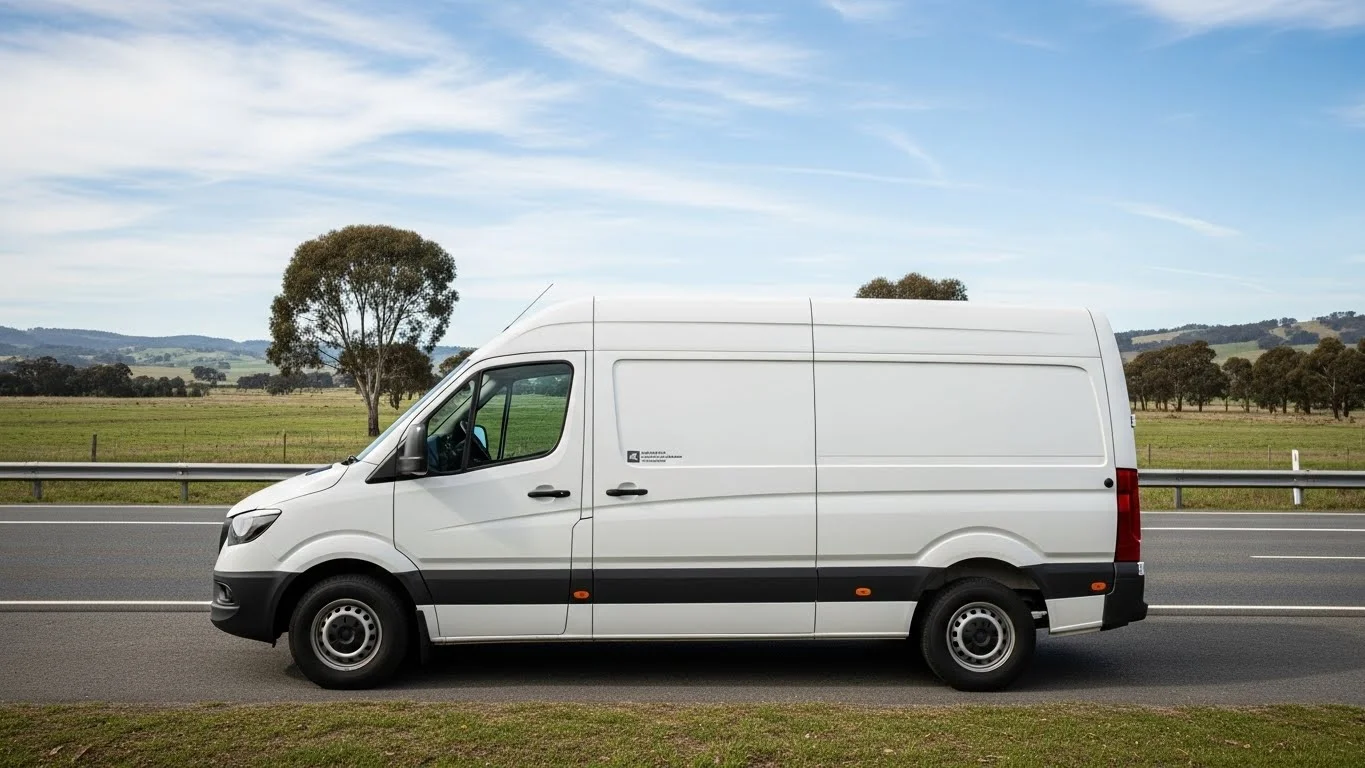
A long wheelbase van, commonly abbreviated as LWB, refers to a vehicle with an extended distance between the front and rear wheels. This longer wheelbase increases the available load space without significantly altering the front cabin area.
Wheelbase should not be confused with overall vehicle length. While total length includes bumpers and body panels, wheelbase directly affects interior cargo space, stability, and ride comfort. Manufacturers design long wheelbase variants to accommodate businesses that require more storage without moving to a larger vehicle category. This configuration is especially popular in commercial vans where maximizing usable space is a priority.
How an LWB Van Differs from Other Van Types
1. LWB vs SWB Vans
Short wheelbase vans are designed for agility and easy maneuvering, especially in urban environments. In comparison, a long wheelbase option provides significantly more load length and better weight distribution.
Key differences include:
-
Greater cargo space in long wheelbase models
-
Wider turning circle compared to short wheelbase vans
-
Improved stability at higher speeds
-
Slightly more challenging parking in tight spaces
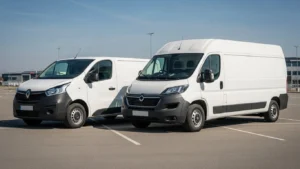
For businesses handling bulky or high-volume loads, the added space often outweighs the reduced maneuverability.
2. LWB vs MWB Vans
Medium wheelbase vans sit between short and long configurations. They offer a compromise for users who need extra space but still want manageable handling.
A medium wheelbase can be ideal if:
-
You operate mainly in cities
-
You need moderate cargo space
-
Parking access is limited
However, for long-term growth and flexibility, many businesses prefer the extra capacity provided by a long wheelbase.
Typical Dimensions and Load Capacity
Dimensions vary by manufacturer, but long wheelbase vans generally offer a noticeable increase in load length and interior volume.
Common features include:
-
Extended load floor for longer items
-
Higher payload capacity compared to short wheelbase versions
-
Multiple roof height options, including standard and high roof
-
Improved interior load volume for stacked or palletized goods
Understanding payload capacity is critical. Payload refers to the maximum weight the van can safely carry, including cargo and passengers. Exceeding this limit can affect braking, handling, and safety.
Real World Uses of Long Wheelbase Vans
Business and Commercial Applications
Long wheelbase vans are widely used across multiple industries. Couriers, logistics companies, and delivery services benefit from the extended cargo area, which reduces the number of trips required.
Tradespeople such as electricians, plumbers, and builders also rely on the additional space for tools, equipment, and materials. The ability to organize storage efficiently improves productivity and reduces downtime.
Camper and Conversion Projects
Van conversions are another popular use case. The longer interior allows for better layout planning, making room for sleeping areas, kitchen units, and storage.
Common benefits for conversions include:
-
Comfortable living space
-
Improved storage solutions
-
Better weight balance for long trips
For those planning a camper build, starting with a lwb van provides greater flexibility and long-term comfort.

Advantages of Choosing a Long Wheelbase Van
Long wheelbase models offer several clear benefits:
-
Increased cargo space for large or awkward loads
-
Better stability when driving on motorways
-
Improved ride comfort due to longer wheelbase
-
Greater versatility for business and personal use
These advantages make them an excellent choice for users who prioritize capacity and performance over compact size.
Disadvantages and Limitations
Despite the benefits, long wheelbase vans are not ideal for everyone.
Potential drawbacks include:
-
More difficult parking in confined areas
-
Reduced maneuverability in narrow streets
-
Slightly higher fuel consumption
-
Increased insurance and running costs
Understanding these limitations helps avoid choosing a vehicle that does not fit your daily environment.
Driving Experience and Handling
Driving a long wheelbase van feels noticeably different from shorter models. The longer wheelbase improves straight-line stability and reduces body movement on uneven roads.
However, the turning radius is wider, which requires more planning in urban settings. Drivers often adapt quickly, especially with the help of parking sensors and cameras.
On long-distance routes, the smoother ride and reduced driver fatigue become clear advantages.
How to Choose the Right Van Size
Before making a decision, consider the following factors:
-
Type of cargo you transport
-
Frequency of long-distance driving
-
Parking and access restrictions
-
Future business growth
If your workload is expected to increase, choosing a lwb van can prevent the need for an early upgrade.
Common Mistakes Buyers Make
Many buyers focus solely on size without considering practicality. Common mistakes include:
-
Overestimating space requirements
-
Ignoring access height restrictions
-
Failing to account for urban driving conditions
-
Choosing based on price alone
Careful planning ensures the van supports your work rather than complicates it.
Is a Long Wheelbase Van Right for You
A long wheelbase van is best suited for users who value space, stability, and versatility. It is ideal for businesses handling large volumes, long items, or frequent deliveries. However, if your work involves tight city streets and minimal cargo, a shorter wheelbase may be more practical. Evaluating your daily needs will help you make the right decision with confidence.