Keeping a car clean requires more than routine washing. While washing removes loose dirt, it cannot eliminate deeply bonded contaminants that attach themselves to the paint over time. These contaminants affect the smoothness, shine, and durability of protective coatings. This is where clay bar vehicle treatment plays an important role in proper automotive detailing.
This guide explains how clay bar treatment works, when it is needed, and how beginners can safely perform it to achieve noticeable improvements in paint quality.
What Is a Clay Bar Vehicle Treatment?
A clay bar is a specially engineered detailing material used to remove bonded contaminants from a vehicle’s paint surface. These contaminants embed themselves into the clear coat and remain even after thorough washing.
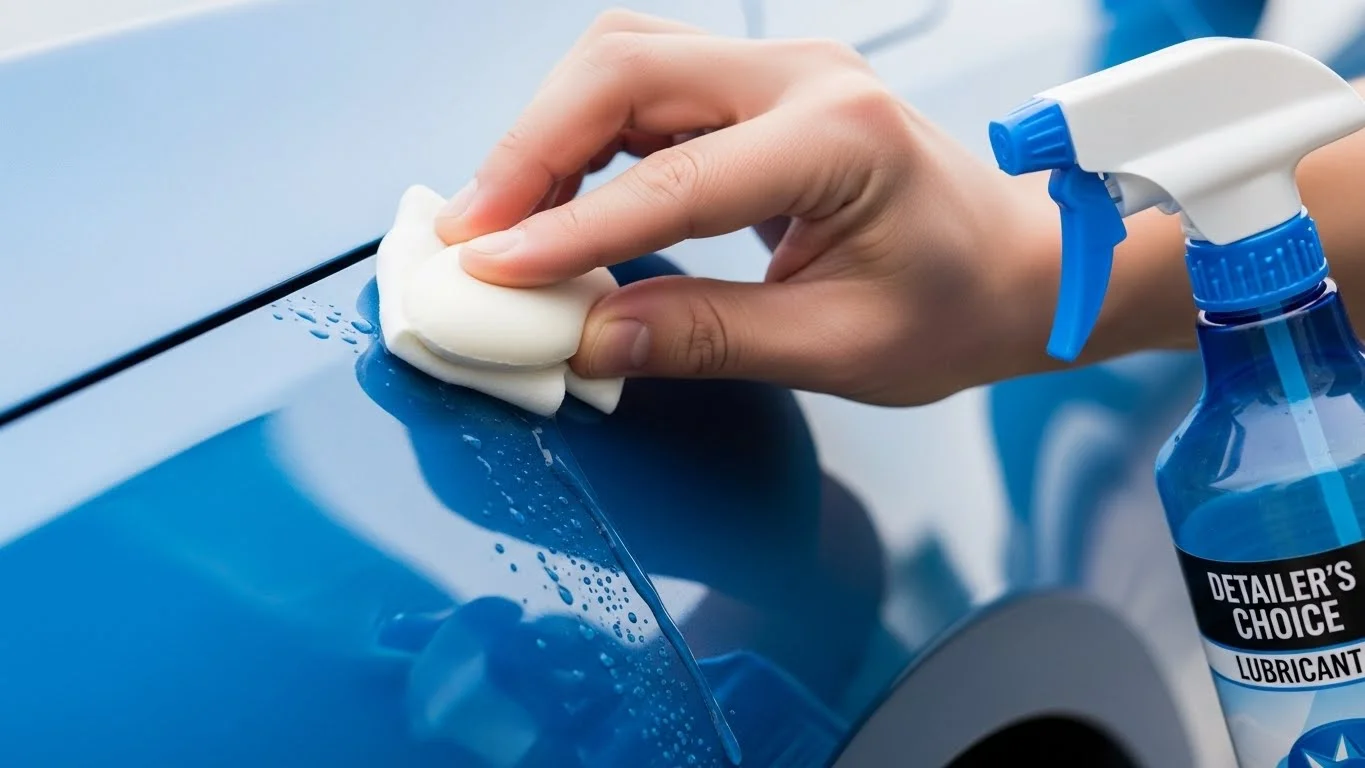
When used with proper lubrication, the clay glides over the paint and gently pulls out embedded particles. This process restores surface smoothness and prepares the paint for wax, sealant, or polishing. A properly clayed surface allows protective products to bond more effectively and last longer.
Common Paint Contaminants and How They Affect Your Car
Vehicle paint is constantly exposed to environmental pollution. Industrial fallout, brake dust, tree sap residue, road tar, and paint overspray gradually bond to the clear coat. These particles are often invisible but can be felt when touching the paint.
Clay bar treatment safely removes these bonded contaminants without stripping paint. Once removed, the paint surface feels smoother and reflects light more evenly, improving overall appearance.
How to Tell If Your Vehicle Needs Clay Bar Treatment
Many drivers are unaware that their paint is contaminated until they test it properly. After washing and drying the car, gently running your hand across the paint can reveal roughness or uneven texture. This tactile feedback is a strong indicator that bonded contaminants are present.
Visually, paint that looks dull despite being clean, or wax that does not last as long as expected, also signals the need for clay bar vehicle detailing.
Safety Tips for Using a Clay Bar
Clay bar treatment is safe when performed correctly. A clear coat protects modern vehicles, and clay bars are designed to work on this layer without removing paint.
Problems occur only when improper techniques are used. Excessive pressure, insufficient lubrication, or using contaminated clay can cause marring. When gentle pressure and adequate lubrication are maintained, the process remains low-risk and effective.
Tools You Will Need for Clay Bar Detailing
Using the correct tools improves results and minimizes risk. Beginners should start with a fine-grade clay bar, which is gentle enough for lightly to moderately contaminated paint. Proper lubrication is equally important, as it allows the clay to glide smoothly across the surface.
Household cleaners or plain water should be avoided because they lack sufficient lubrication and increase friction. Dedicated detailing sprays or clay lubricants are the safest options.
Step-by-Step Clay Bar Process
Following a structured process ensures safe and effective results.
1. Wash and Prep the Vehicle
Wash the vehicle thoroughly to remove loose dirt. This prevents dragging debris across the paint during claying.
2. Applying the Clay Properly
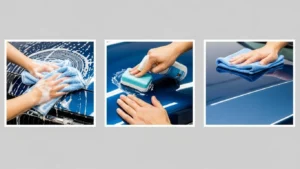
Flatten the clay and work in small sections. Gently glide the clay over the lubricated surface using straight motions.
3. Controlling Pressure and Movement
Use light pressure and let the clay do the work. If resistance occurs, apply more lubricant.
4. Checking the Surface
Once the surface feels smooth, wipe it clean and move to the next section. This method ensures effective paint decontamination.
Common Mistakes to Avoid
Many beginners rush the process or apply too much pressure. Skipping lubrication or reusing clay after it has been dropped are also common mistakes. These errors reduce effectiveness and increase the risk of paint damage. Taking time, working in small sections, and maintaining clean clay ensures safer and more consistent results.
Aftercare and Protection
Clay bar treatment removes contaminants but also strips existing protection. For this reason, applying wax or sealant afterward is essential. This step protects the freshly cleaned paint and enhances gloss.
Clay bar treatment is also recommended before polishing or applying ceramic coatings. A clean surface allows these products to bond properly and perform as intended.
How Often Should You Perform Paint Decontamination?
Frequency depends on driving conditions and the environment. Vehicles driven daily in urban or industrial areas may require treatment once or twice a year. Cars that are garage-kept or driven occasionally may need it less often. Environmental exposure plays a major role, so frequency should be adjusted based on individual conditions rather than a fixed schedule.
Comparing Clay Bars with Other Tools
Alternative decontamination tools, such as clay mitts and towels, offer faster application, but traditional clay bars provide greater precision. Clay bars allow users to feel contamination more clearly, making them a better choice for beginners and heavily contaminated paint. Each method has its advantages, but clay bars remain a trusted option for controlled and thorough decontamination.
DIY Versus Professional Detailing
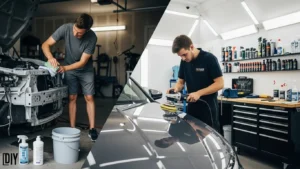
DIY clay bar detailing is cost-effective and achievable for most car owners. With proper technique, results can be very close to professional services. Professional detailing saves time and offers expertise, but at a higher cost. For beginners willing to follow instructions carefully, at-home treatment can deliver excellent results.
Final Thoughts
Clay bar detailing is a powerful step in maintaining paint quality and enhancing vehicle appearance. By removing bonded contaminants, it restores smoothness, improves shine, and prepares the surface for long-lasting protection.
With the right tools and techniques, beginners can safely achieve noticeable improvements and maintain their vehicle’s paint in top condition.