
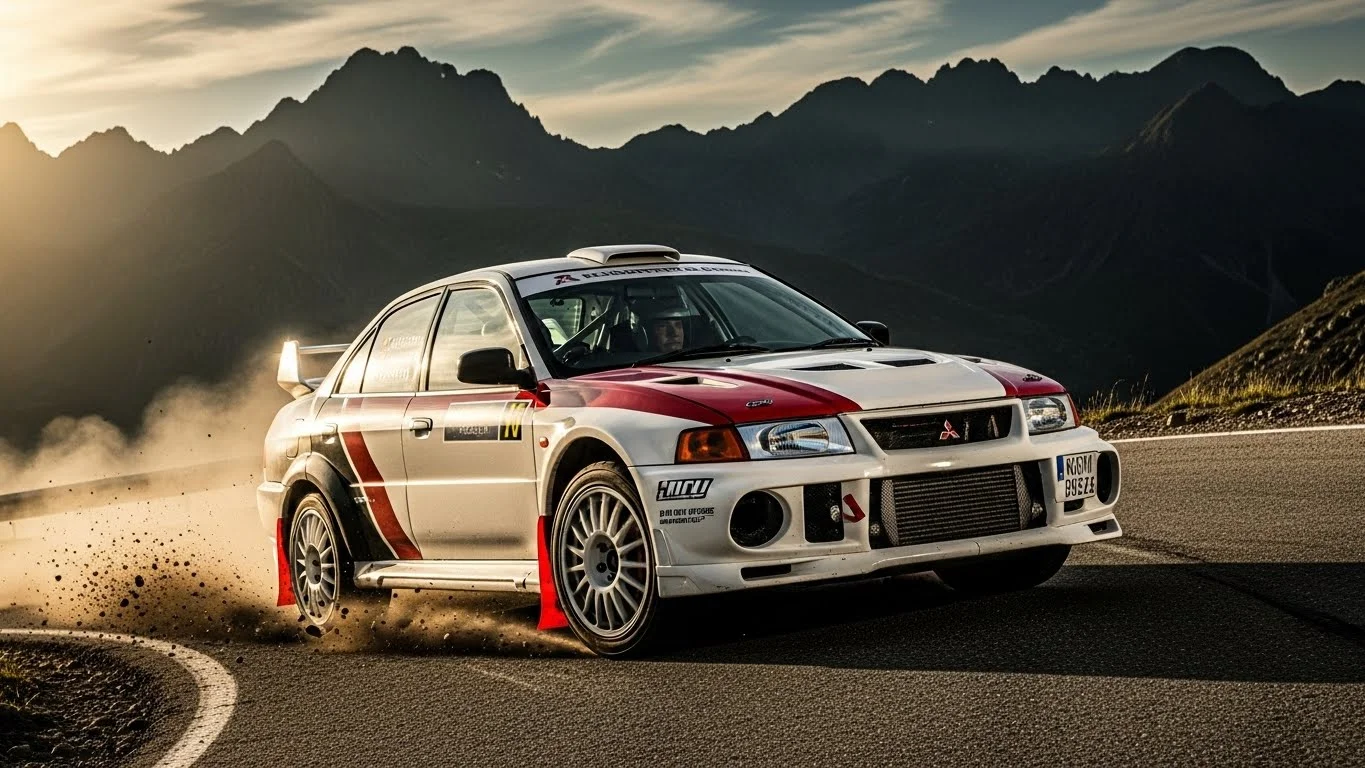
The Mitsubishi Lancer Evolution VI holds a special place in automotive history. Built during the golden era of rally homologation, it represents a time when performance cars were engineered with competition at their core. The evo 6 is still admired today for its raw driving feel, mechanical honesty, and strong connection to motorsport. This guide explores everything you need to know, from engineering and performance to real-world ownership and long-term value.
What Is the Mitsubishi Lancer Evolution VI?
The Mitsubishi Lancer Evolution VI is a high-performance sports sedan developed as part of a rally-driven production strategy. It sits in the middle of the Evolution lineup and was produced at a time when engineering decisions were made to win championships rather than chase comfort or luxury.
The evo 6 was designed to deliver sharp handling, relentless traction, and turbocharged power in a compact four-door layout. Unlike many modern performance cars, its personality is defined by driver involvement rather than electronics. This focus is what continues to attract enthusiasts, collectors, and serious drivers decades after its release.
Background and Rally Heritage
Rally competition played a central role in shaping this model. Built to meet strict homologation rules, it carried technology directly inspired by World Rally Championship demands. Lightweight construction, advanced All Wheel Drive systems, and aggressive suspension tuning all came from motorsport experience.
The success of Mitsubishi in rallying helped cement the car’s reputation globally. Each design choice was influenced by the need for control on unpredictable surfaces, making the car exceptionally capable on real roads as well as competitive stages.
Engine, Drivetrain, and Engineering
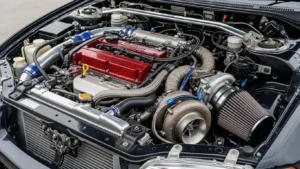
At the heart of the car is a turbocharged four cylinder engine that became legendary for strength and tuning potential. Paired with a sophisticated All Wheel Drive system, it delivers confident grip in all conditions.
Active Yaw Control enhances cornering by distributing torque across the rear wheels, improving stability and precision. This mechanical approach to handling gives drivers a sense of connection that is increasingly rare in modern performance vehicles. The evo 6 stands out because its technology works with the driver rather than replacing driver skill.
Performance Specifications Explained
Performance figures only tell part of the story, but they still matter. Acceleration is brisk, power delivery is aggressive, and handling remains sharp even by modern standards. The combination of low weight, turbocharged torque, and intelligent traction makes the car feel faster than numbers suggest.
What truly defines the Evo 6 is balance. Steering feedback is direct, the chassis communicates clearly, and the suspension is firm without being punishing. This setup allows confident driving on winding roads and track environments alike.
Driving Experience Today
Driving the car today feels refreshingly analog. Throttle response is immediate once the turbo spools, steering is unfiltered, and the cabin keeps the driver focused on the road rather than screens. The evo 6 rewards commitment and attention. It is not designed to isolate the driver from the experience. Instead, it encourages active participation, making every drive feel purposeful and engaging.
Tommi Makinen Edition Explained
One of the most celebrated versions is the Tommi Makinen Edition. This special model was created to honor a legendary rally driver and featured unique styling and chassis improvements.
The TME variant refined suspension tuning and reduced weight, making it even more focused than the standard version. Because of its motorsport connection and limited production, it commands higher prices and strong collector interest today.
Interior, Exterior, and Design Philosophy
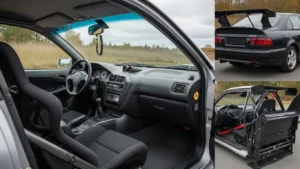
The interior reflects a performance-first mindset. Materials are durable rather than luxurious, controls are simple, and seating provides strong support during spirited driving.
On the outside, the aggressive stance, functional aerodynamics, and iconic rear wing all serve a purpose. The design communicates intent rather than elegance, which aligns perfectly with the car’s rally-inspired character.
Ownership Experience in the Real World
Living with the car requires understanding its priorities. Comfort and convenience are secondary to performance. Ride quality is firm, cabin noise is noticeable, and fuel economy is modest.
However, owners often accept these compromises because the driving experience delivers something rare. The evo 6 offers a level of involvement that few modern vehicles can replicate, making daily ownership rewarding for the right enthusiast.
Reliability, Common Issues, and Maintenance
Reliability depends heavily on maintenance and usage history. When properly cared for, the engine and drivetrain are robust. Neglected examples can suffer from turbo wear, suspension fatigue, and drivetrain stress.
Routine servicing, quality parts, and responsible modifications are key to long-term reliability. Enthusiasts who maintain their cars correctly often report dependable ownership despite the performance-focused nature of the platform.
Running Costs and Insurance Considerations
Running costs are higher than average sedans, but reasonable for a high-performance classic. Fuel consumption reflects its turbocharged nature, and insurance premiums vary based on location and usage. Parts availability remains strong thanks to global enthusiast support. However, originality can affect costs, especially for collector-grade examples and special editions.
Price and Market Value of Evo 6
Market values have risen steadily as demand for classic Japanese performance cars increases. Clean, original examples attract premium pricing, while modified cars vary widely in value. The evo 6 has proven to be a strong performer in the collector market, especially limited variants. Buyers increasingly view it not only as a driving machine but also as a long-term investment.
Evo 6 Compared to Other Evolution Models
Compared to earlier generations, it has refined handling and stability. Against later versions, it feels more mechanical and less filtered. Many enthusiasts consider it the perfect balance between raw performance and usable refinement. This balance is why it continues to be compared favorably against newer Evolutions and even modern performance sedans.
Is the Evo 6 Still Worth Buying Today?
For drivers seeking pure engagement, the evo 6 remains a compelling choice. It offers rally-bred performance, strong character, and enduring appeal. While ownership requires commitment, the reward is a driving experience that feels authentic and timeless.
FAQs
Is it suitable for daily driving?
It can be, but it suits enthusiasts who prioritize performance over comfort.
Is it reliable long-term?
With proper maintenance and responsible ownership, reliability can be very good.
Why is it so highly regarded?
Its rally heritage, mechanical focus, and driver engagement set it apart from modern alternatives.
Final Thoughts
The Mitsubishi Lancer Evolution VI represents an era when performance engineering was uncompromising and purposeful. Its legacy continues because it delivers something increasingly rare in today’s automotive world: a genuine connection between car and driver.