
Introduction
The Fiat Jolly holds a special place in automotive history, standing out as a unique blend of design, luxury, and leisure. Created in the late 1950s, this charming, doorless beach car embodies Italian coastal living with its vibrant, playful aesthetic and functional design. But it’s more than just a cute classic; its popularity and value have only grown over time, making it a highly coveted model among collectors and vintage car enthusiasts. In this article, we’ll explore the rich history, design features, and modern revival of this car.
What Is a Fiat Jolly?
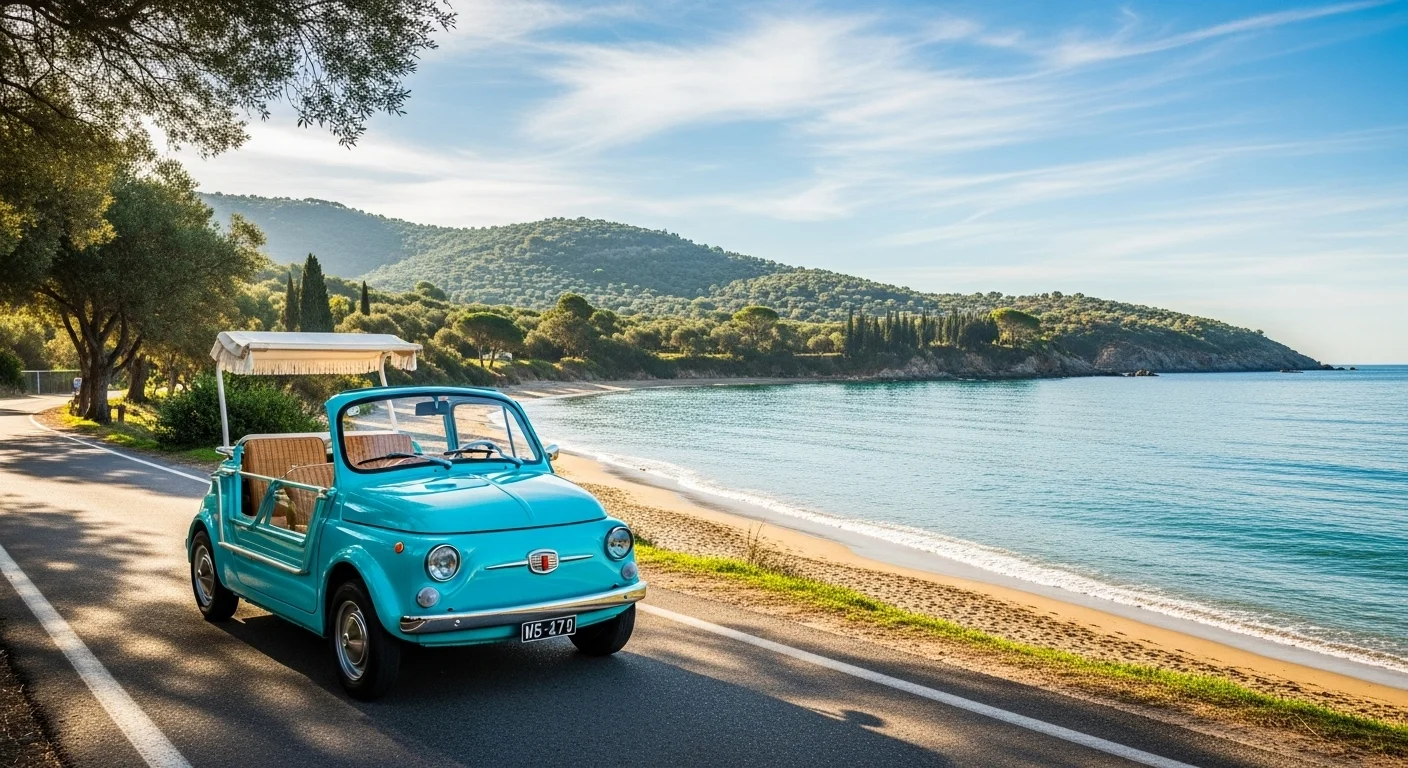
It is a coach-built version of the popular Fiat 500 and Fiat 600 cars, designed specifically for coastal and luxury leisure use. With its open-air body, wicker seats, and fringed canopy, it was meant to evoke the carefree lifestyle of seaside living, making it a perfect fit for yacht clubs and Mediterranean resorts.
Unlike the regular Fiat 500, the Jolly’s design was intended to be fun, fashionable, and functional in leisure settings. With no doors and a soft top, it’s a car that feels more like an accessory to a sunny day by the beach than a standard mode of transportation. This unique design made it a symbol of affluence and an icon in Italy and beyond.
The Origins – 1950s & 60s Italian Luxury Beach Car
The story of the Fiat Jolly begins in the 1950s when Fiat partnered with the renowned Italian coachbuilder Carrozzeria Ghia. They created a variant of the Fiat 500 and 600 models that was purpose-built for coastal use, luxury estates, and resorts. With a top speed of around 50 mph, the Jolly wasn’t about performance; it was about leisure.
These cars were originally designed for the rich and famous, with many being sold to celebrity owners or high-profile figures looking for a stylish, comfortable way to cruise the coastlines of Italy and the Mediterranean. From the sunny shores of the Amalfi Coast to luxury yacht clubs, it Jolly became a hallmark of elite coastal living.
Design & Specifications
Original Fiat 500 Jolly
The original Fiat 500 featured a rear-mounted 499 cc, two-cylinder engine, producing a modest 13 horsepower. While it wasn’t built for speed, it was perfect for a relaxed cruise by the beach. Its body was lightweight, and the addition of wicker seats and a removable roof made it ideal for open-air driving in warm weather.
-
Engine: 499 cc two-cylinder
-
Power: 13 horsepower
-
Top speed: 50 mph
-
Body features: Open-air design, wicker seats, and a fringed canopy.
Fiat 600 Jolly
The Fiat 600 Jolly, introduced shortly after the 500 version, offered slightly more power with a 767 cc engine. Although larger and heavier, the 600 Jolly still embraced the same carefree beach car design. Its main appeal was its versatility—capable of seating more people and still offering the same breezy driving experience.
-
Engine: 767 cc Inline-4
-
Power: 22 horsepower
-
Top speed: 60 mph
While both models shared the same playful design, the Fiat 600 Jolly was more commonly used in larger estates or coastal areas where families needed more space.
Fiat Jolly & Celebrity Culture
Throughout its production, this became a symbol of affluence, with several high-profile owners taking an interest in the car. Among the most famous were Aristotle Onassis and Princess Grace of Monaco, who used these cars in their private estates and yachts. It was a social statement, evoking wealth, leisure, and an enviable lifestyle.
Today, the car continues to be a favorite of collectors, especially with its vintage charm and rarity. Celebrities, including F1 driver Lando Norris, have also owned Jollys, further cementing its place in popular culture as a true luxury leisure vehicle.
Rarity, Collectibility & Auction Value
Over the years, it has become increasingly rare, with fewer than 100 original models remaining today. The rarity and unique design features have made it a highly sought-after item in the classic car market. At auction, prices can vary greatly depending on the model, condition, and provenance, but some Jollys have sold for as much as $150,000 or more.
For collectors, owning a Fiat Jolly is more than just owning a car—it’s owning a piece of automotive history. Given its rarity and desirability, it continues to fetch impressive sums in classic car auctions worldwide.
Fiat Jolly in Media & Popular Culture
The Fiat has appeared in numerous films, documentaries, and TV shows, often representing the epitome of luxury and carefree coastal living. It has become a symbol of iconic, retro luxury, appearing in various cultural references, including advertisements and celebrity-owned collections.
The Fiat Jolly’s pop culture legacy has helped it maintain its allure in the automotive world, ensuring that the car continues to capture the attention of enthusiasts and the public alike.
The Revived & Modern Interpretations
Icon‑e Electric Fiat
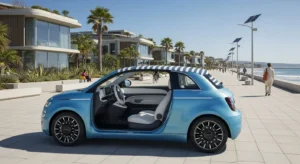
In recent years, the Fiat Jolly has experienced a modern revival, with the introduction of the electric Fiat 500 Jolly Icon‑e. Garage Italia, an Italian customization firm, has created a fully electric version of the Fiat Jolly, combining its classic design with modern electric vehicle technology. Icon‑e retains the playful, carefree aesthetic of its predecessor while offering the eco-friendly benefits of an electric powertrain. This updated version brings the Jolly into the 21st century, meeting the growing demand for sustainable, zero-emission vehicles.
Tribute & Reproduction Models
In addition to the electric revamp, Fiat has produced several tribute models that aim to preserve the Jolly’s unique charm while meeting modern standards for performance and safety. These models stay true to the design but offer more reliable components, ensuring that the Fiat Jolly legacy continues for new generations of enthusiasts.
Collecting, Restoring & Owning a Fiat Jolly
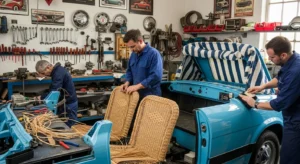
Owning a Fiat Jolly is not without its challenges. These cars require meticulous care and attention to detail, especially in the restoration process. Wicker seats, soft tops, and the original bodywork can be difficult to repair, and authenticity is a key factor in determining the car’s value. For those interested in owning a Jolly, it’s important to verify its authenticity and ensure it’s in good condition to preserve its value.
FAQ Section
Q: How much does a Fiat Jolly cost?
A: Prices can range from $50,000 to over $150,000, depending on the model, condition, and rarity.
Q: Is the Fiat road legal today?
A: While the Fiat Jolly is road-legal in many countries, it’s essential to check local regulations, especially for older models or electric conversions.
Q: How rare is the Fiat?
A: Less than 100 original Fiat Jollys remain in existence, making it an extremely rare collector’s item.
Conclusion
The Fiat Jolly is more than just a car; it’s a symbol of an era, a lifestyle, and a design philosophy. From its humble beginnings as a beach car for the affluent to its status as a collectible classic, this car continues to capture the hearts of car enthusiasts and collectors alike. Whether you’re a fan of vintage cars or excited about their electric revival, it stands as a testament to the timeless appeal of Italian automotive design.