
Introduction
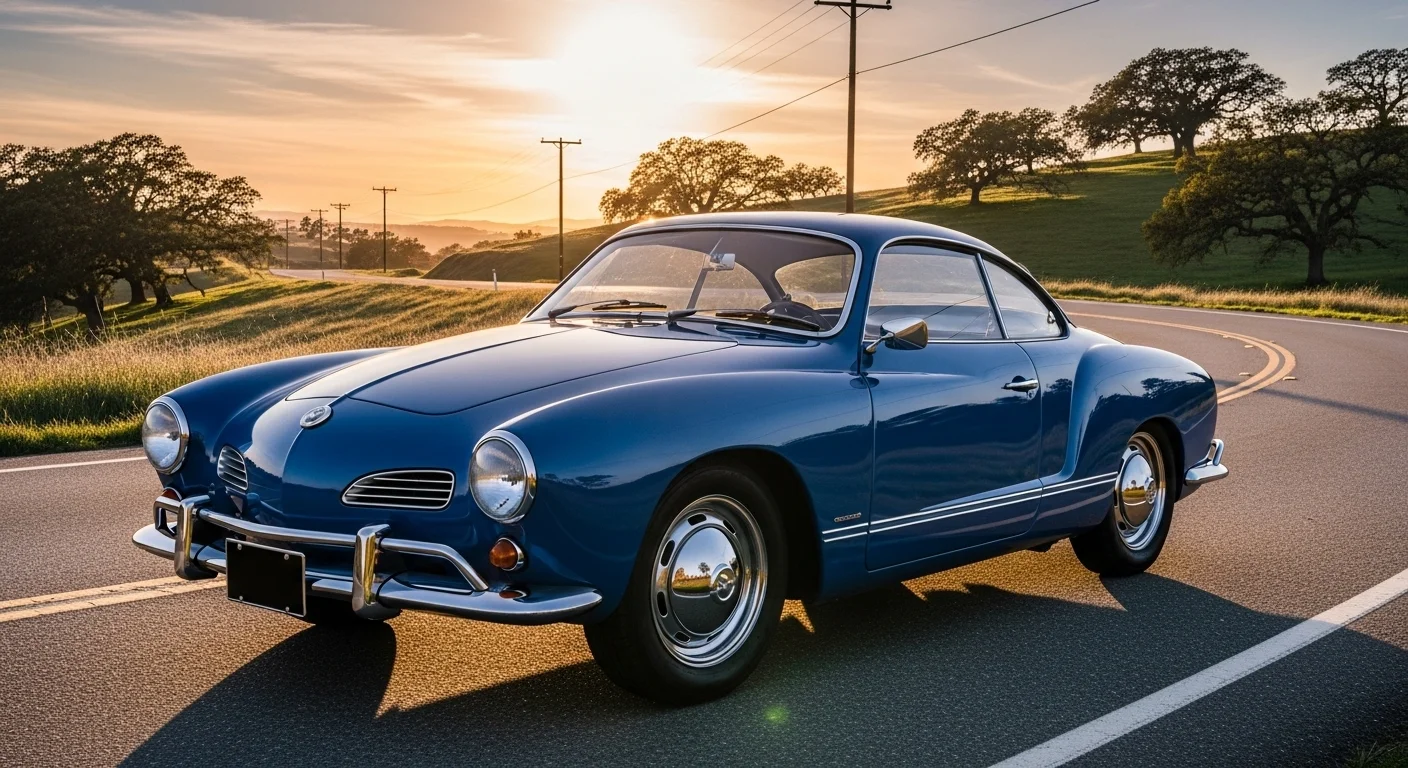
The VW Ghia Coupe is a classic that has captured the hearts of car enthusiasts for decades. Known for its unique blend of Italian design and German engineering, this vehicle continues to be a favorite among collectors and vintage car lovers. In this guide, we’ll delve into the history, key features, and factors to consider if you’re thinking about purchasing or restoring one. Whether you’re a seasoned collector or a newcomer to the world of classic cars, understanding the Ghia’s legacy is essential.
What Is the VW Ghia Coupe?
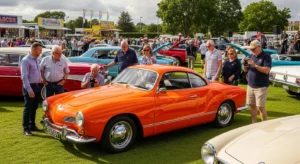
The VW Ghia Coupe is a product of a collaboration between Volkswagen and Carrozzeria Ghia, an Italian design studio. Produced from 1955 to 1974, the car combined Volkswagen’s reliable engineering with Ghia’s elegant styling. Unlike other cars in the Volkswagen family, the Ghia was designed to appeal to those who wanted a more refined, stylish vehicle. The Karmann Ghia, as it was also called, has since become a symbol of classic car design, particularly for its smooth lines and compact proportions.
This vehicle is more than just a car; it’s a statement of style. The VW Ghia Coupe was born from a vision that combined functionality with beauty, making it stand out in a market full of more utilitarian vehicles. With its timeless design, the Ghia has remained a classic, attracting new generations of collectors while retaining its place in the hearts of long-time enthusiasts.
Key Features and Design Elements
The VW Ghia Coupe is renowned for its exceptional design. At its core, it features Italian styling combined with the durability of German engineering. The body is sleek and aerodynamic, boasting gentle curves that were ahead of their time. One of the most notable design elements is its smooth, flowing lines that make the car feel both sporty and sophisticated.
Air-Cooled Engine & Rear-Engine Layout
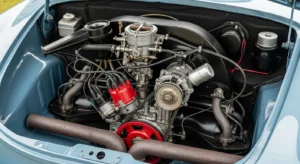
Another hallmark of the VW Ghia Coupe is its air-cooled flat-four engine, a hallmark of many classic Volkswagens. The rear-engine layout not only gives the car a distinct appearance but also contributes to its unique driving dynamics. This engine choice was part of the VW design philosophy, which focused on simplicity and reliability.
Body Styles: Coupe vs. Convertible
The VW Ghia Coupe was available in both coupe and convertible versions. While the coupe offers a more enclosed, streamlined look, the convertible provides a more open, airy experience. Both models carry the same classic appeal, but some enthusiasts prefer the coupe for its slightly more aggressive stance and more refined look.
VW Ghia Models: Type 14 vs Type 34
There are two primary variants of the VW Ghia Coupe that enthusiasts often debate: the Type 14 and Type 34.
Type 14 (Mainstream Ghia)
The Type 14 is the model most people associate with the VW Ghia Coupe. Produced from 1955 to 1974, the Type 14 became Volkswagen’s most successful model in the Ghia lineup. It was built with a modest air-cooled engine, which contributed to its popularity for daily use. It was compact, efficient, and reliable, yet stylish enough to stand out in a crowd.
Type 34 (Razor-Edge Ghia)
The Type 34 is often regarded as the more luxurious version of the VW Ghia Coupe. Produced in smaller numbers, it features a more angular, “razor-edge” design. The Type 34’s body is longer and larger compared to the Type 14, making it a rarer and often more expensive model to collect today.
VW Ghia Engine Specs and Performance
The VW Ghia Coupe is not known for its blistering speed, but rather for its well-balanced driving experience. The Type 14 typically came with a 1.2L or 1.6L air-cooled engine, producing modest horsepower, typically in the range of 30-50 hp. While this might sound underwhelming by today’s standards, the Ghia is built for cruising rather than racing.
The engine, though small, provides enough power to deliver a smooth and reliable ride. The unique rear-engine layout adds to the car’s driving dynamics, offering excellent handling for a vehicle of its size. For those looking to improve performance, many enthusiasts have upgraded the engine or made adjustments to improve handling.
What to Look For When Buying a VW Ghia Coupe
If you’re considering purchasing a VW Ghia Coupe, there are several things you’ll need to inspect. The car’s value largely depends on its condition, so it’s important to check several key areas.
Checking the Engine and Transmission
The engine is the heart of the VW Ghia Coupe, so you’ll want to ensure that it’s running smoothly. Look for signs of rust or leaks around the engine and transmission. Common issues include worn-out seals or a lack of proper maintenance.
Bodywork and Rust Issues
Rust can be a major concern with vintage vehicles like the VW Ghia Coupe. Common problem areas include the floor pans, wheel arches, and lower body panels. It’s essential to check for any signs of rust or damage that could be costly to repair.
Authenticity and Restoration
When buying a VW Ghia Coupe, always check for authenticity. Verify the vehicle’s VIN to ensure it matches the manufacturer’s records. If the car has been restored, check for the quality of the work done and whether original parts were used.
Market Trends and How to Value a VW Ghia
The VW Ghia Coupe has long been a popular choice in the classic car market. While it may not be as expensive as some other vintage cars, it still holds value, especially for well-preserved models. Prices vary depending on the model (Type 14 vs. Type 34), condition, and whether the car has been restored.
Current Pricing for Different Models
On average, the Type 14 can be found for a reasonable price, but well-maintained or restored models can fetch higher prices. The Type 34, being rarer, tends to command a premium, especially if it’s in good condition. You can find VW Coupes ranging from a few thousand dollars for projects to upwards of $30,000 for pristine examples.
Restoring a VW Ghia Coupe
Restoring it can be a rewarding but expensive venture. Depending on the extent of the restoration, it can cost anywhere from a few thousand to tens of thousands of dollars. The process includes restoring the body, engine, and interior, and ensuring that all parts meet the original specifications.
Costs of Restoration
A full restoration can be costly, especially if the car has suffered from significant rust damage. However, for many collectors, the value added to a restored VW Ghia Coupe is well worth the investment. Consider consulting with a professional restoration shop to get an accurate estimate.
Parts Availability
One of the advantages of restoring a VW Ghia is that many parts are still available, both as originals and high-quality reproductions. Many enthusiasts also find parts from other vintage VW models that are compatible with the Ghia.
Driving and Owning a VW Ghia Today
Owning and driving a VW Ghia Coupe in today’s world is an experience that can’t be matched by modern cars. Its classic design, combined with simple yet effective mechanics, makes it a joy to drive, especially for short cruises or weekend outings.
While it may not be the fastest car on the road, it offers a unique connection between the driver and the car. The feeling of driving a vintage vehicle with such a rich history is something every car enthusiast should experience at least once.
Conclusion
The VW Ghia Coupe remains a timeless classic, admired for its design, performance, and history. Whether you’re considering purchasing one or restoring an old model, this car continues to captivate new generations of collectors. With careful attention to detail, you can enjoy the unique experience of owning one of the most beloved classic cars ever made.